Welcome to Kleen-Rite – Your Reliable Supplier for the Car Wash Industry & Automotive value added

- Home/
Car Wash Conveyor Rollers | Belanger, Hanna, Ryko, Econocraft
Buy Car Wash Rollers and Parts for Tunnel Conveyors
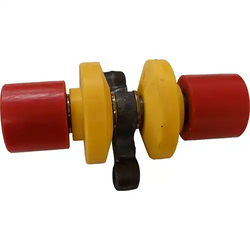
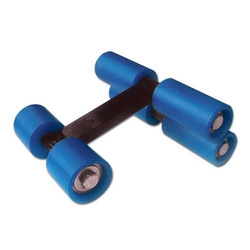
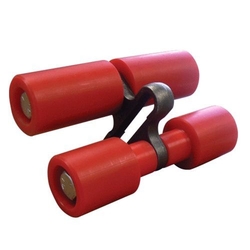
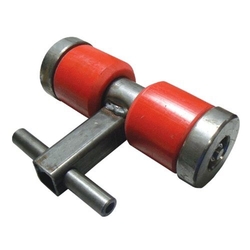
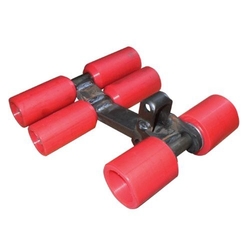
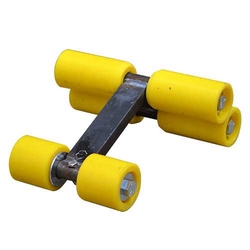
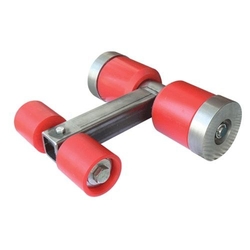
At Kleen-Rite, we view all car wash equipment as a high priority. Car wash conveyor rollers and any necessary replacement parts are a perfect example. These conveyor rollers are wheel-like components attached to the chain in a conveyor system found in a tunnel car wash. The wheels, typically made of a very hard, durable plastic, are connected to a rigid shaft made of strong metal be it iron, steel, or something else. The roller assembly is placed behind the car wheel, and the rigid shaft provides enough resistance to push the car along. The wheels allow the tire to spin, allowing the car to move along smoothly and naturally through your tunnel.
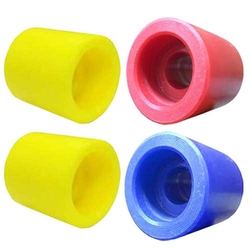
We carry replacement rollers from many of the top brands such as Belanger, Ryko, Hanna, Econocraft, Sonny's, PECO, Motor City, MacNeil, and more! We also offer replacement idler and pusher wheels if yours have become worn or damaged but the shaft is still intact. What often occurs is flat spots on the wheels, prohibiting proper rotation and affecting the smooth movement of vehicles. Keep spare assemblies on hand in case of a significant issue, as well as replacement wheels if you need to replace one quickly. This way, you can skip downtime in the future and keep your tunnel running smoothly!
Brand
Showing 1 of 1 Results
1 - 1 of 1
Car Wash Conveyor Cost
The cost of a car wash conveyor system and its corresponding parts varies based on factors such as brand, length, capacity, and the specific features required for your operation. For new installations, complete conveyor systems typically represent one of the most significant investments in a tunnel car wash, but provide long-term value by supporting high vehicle throughput and efficient service. Replacement partsâ€â€like rollers, shafts, and pusher assembliesâ€â€are typically affordable and designed for quick swaps to reduce downtime and keep your wash lanes operational. A single replacement wheel might cost less than $10 while a replacement roller may range from $50 to around $100.
Different Types of Car Wash Rollers and Their Functions
The two primary roller types are pusher rollers and idler rollers.
- Pusher rollers attach to the conveyor chain and make direct contact with the vehicle's tire, guiding it smoothly through the wash process and ensuring consistent movement along the tunnel.
- Idler rollers, on the other hand, support the chain and vehicle, maintaining alignment and reducing friction as cars progress down the lane.
- Some systems use double-sided rollers for added support, while specialty rollersâ€â€such as extra-wide or high-traction modelsâ€â€can accommodate oversized vehicles or address unique site requirements.
Different Types of Car Wash Conveyor Systems
Tunnel car wash conveyor systems are available in several configurations designed to meet the demands of different business models and vehicle volumes.
- Most common is the chain-driven conveyor, which uses a robust chain mechanism to pull or push vehicles through the tunnel using attached rollers and pusher assemblies. These systems are ideal for high-throughput operations and are widely favored for their reliability and ability to handle a continuous flow of vehicles throughout the day.
- Another option is the belt conveyor system, which replaces chains and rollers with a flat, moving belt that gently transports vehicles from start to finish. Belt conveyors are well-suited for locations that want to minimize tire and wheel contact, as the entire vehicle rests on the belt, making them a popular choice for luxury car washes or sites that handle a variety of vehicle types, including sports cars and low-clearance vehicles.
- Some facilities may incorporate dual conveyance systemsâ€â€which combine a central belt or chain with side rollers for added stability and adaptabilityâ€â€especially useful in environments servicing oversized vehicles or trucks.
Maintenance of Car Wash Rollers
The average tunnel has 80 rollers. You can maintain your car wash rollers to get the most from their lifespan. Here are a few tips and tricks:
- Regular inspections help you catch signs of wear, such as flat spots, cracks, or excessive buildup from debris, before they result in equipment failure or interruptions to service.
- It's important to check both the rollers and the attached shafts for smooth rotation and structural integrity. When rollers do show significant wear or damage, prompt replacement ensures the vehicle moves smoothly through the wash, preventing unnecessary strain on the conveyor and protecting customer vehicles.
- Lubricate moving parts according to manufacturer guidelines to ensure proper function and extend the lifespan of each component.
- Keeping spare rollers and critical conveyor parts in stock allows for fast repairs, reducing the risk of lost revenue during unexpected breakdowns.
Car Wash Rollers Troubleshooting Tips
If your conveyor system begins to show signs of inconsistent vehicle movement, excessive noise, or visible roller wear, it’s time for a closer inspection.
- Start by checking for flat spots or cracks in the rollers, as these can disrupt smooth operation and impact the customer experience.
- Make sure the rollers are spinning freely; a roller that sticks or grinds may be suffering from internal bearing failure, corrosion, or a buildup of debris.
- Test the alignment of each roller along the conveyor chainâ€â€misaligned rollers can cause vehicles to veer off track and place unnecessary stress on the entire conveyor system.
- If you notice any excessive wobbling, check both the roller and shaft for looseness or damage, tightening hardware or replacing components as needed.
- For optimal performance, keep an eye out for unusual vibrations or sudden changes in how vehicles enter or exit the tunnel, since these may signal a hidden issue within the roller assembly or surrounding hardware.
- Finally, scheduling regular preventative maintenanceâ€â€such as cleaning debris, applying lubricant where specified, and replacing worn rollers before failureâ€â€will help maintain uptime and extend the service life of your conveyor system.
Common Materials and Durability Factors for Car Wash Rollers
The most common materials used in these rollers are high-density polyethylene (HDPE) or other engineered plastics, chosen for their excellent abrasion resistance and strength under repeated stress. These plastics resist cracking, chipping, and deforming, even with frequent exposure to harsh cleaning agents and temperature changes.
In addition to the wheels themselves, the roller shafts are typically constructed from durable metals like stainless steel or zinc-plated steel, which offer a strong balance between rigidity and corrosion resistance. This careful pairing of materials ensures that car wash rollers continue providing consistent support and movement for each vehicle, helping reduce the likelihood of roller failure or system downtime. Moreover, manufacturers often design rollers with reinforced hubs or internal bearings to further enhance their durability.
Technical Specifications and Components for Car Wash Conveyors
When selecting rollers and parts for your car wash conveyor, it's crucial to consider a range of technical specifications. Certain terms you might see used include the bore, diameter, length, construction, wheel size, or idler. Here's a breakdown of some key insights:
- Roller assemblies typically come in various diameters and widths to fit the specific make and model of your conveyor system, with common sizes ranging from 4 inches to 6 inches in diameter.
- The shaft material is often stainless steel or zinc-plated steel, chosen for their ability to withstand constant movement and corrosive environments.
- In most systems, rollers are engineered to support heavy vehicle loads, resist flat spotting, and rotate smoothly under stress, thanks to features like internal ball bearings and reinforced hubs.
- Conveyor components such as pusher plates, idler wheels, and return rollers must also meet strict strength and durability standards, since these parts work together to keep vehicles moving safely and efficiently through the tunnel.
- heavy-duty rollers are rated to bear weights in excess of several thousand pounds per axle, which supports not only passenger cars but also SUVs and light trucks. The shaft and bearing construction must provide enough structural integrity and resistance to deformation under constant load, especially in high-traffic environments.
- Understanding maximum load rating of your conveyor components helps prevent premature failure, minimizes the risk of equipment damage, and boosts overall safety for both vehicles and your staff.
Material Properties, Load Ratings, and Roller Lifespan
Choosing the right car wash rollers begins with understanding the material properties and load ratings, since these directly affect durability and performance in demanding tunnel environments.
High-density polyethylene (HDPE) and similar engineered plastics are the preferred materials for car wash rollers due to their outstanding resistance to abrasion, impacts, and exposure to water, chemicals, and extreme temperatures. These plastics can flex slightly under pressure without cracking, which allows the rollers to maintain their integrity even after thousands of cycles each day.
In addition, manufacturers select reinforced hubs and incorporate high-quality ball bearings to provide smooth, low-friction rotation and to further reduce the chance of flat spotting or binding. Roller shafts are typically made from stainless or zinc-coated steel so they can handle high axle weights, often several thousand pounds, without risk of bending or corrosion.
When evaluating load ratings, consider not just the weight of the individual vehicle, but also the combined stress from continuous operation and occasional abnormal loads from oversized vehicles. For optimum reliability, it's important to select rollers and shafts that meet or exceed the specifications for your conveyor’s make and model.
Roller lifespan depends on the quality of the materials used, adherence to maintenance best practices, and the operational conditions within the tunnel. While some rollers can last upwards of 100,000 vehicle passes, heavy usage and infrequent maintenance will shorten service intervals. Regular visual checks, prompt replacement of worn parts, and keeping the system lubricated avoid unexpected failures and maximize the useful life of all components.